For commercial / indoor builds
Training facility & warehouse cages.
Baseball academies, hitting facilities, private training centers, warehouse-conversion cage rooms. Commercial-grade frame and net — spec'd to take eight years of daily use, not eight months of weekends. Whether you're starting from a shell or retrofitting an existing structure, the engineering and the install crew are the same. DFW-based, and we build training-facility cages statewide across Texas for the right project.
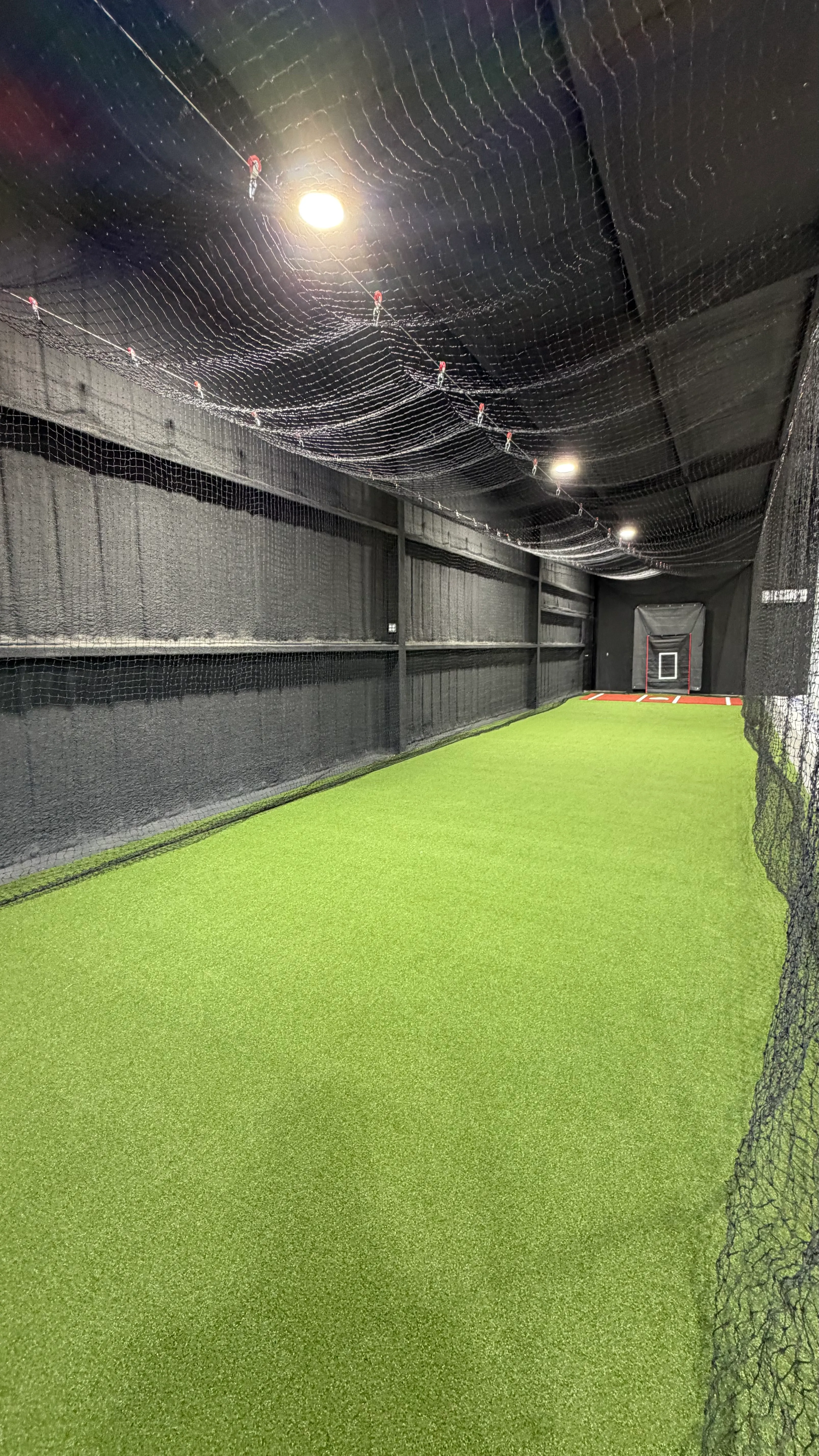
Commercial-grade everything.
A cage in a private training facility takes ten to twenty times the use a backyard cage does. We spec for that. That means commercial-grade frame steel, #45 or #60 twisted poly nets, heavy-duty cable kits, and infill-grade hitting turf instead of consumer field-cut nylon.
- Frames: Cimarron commercial galvanized or powder-coated steel. Floor-anchored or suspended depending on ceiling height.
- Nets: #45 commercial twisted poly minimum. #60 if you're running JUGS at 80+ mph as a daily routine. #84 if college and pro hitters are training in the cage.
- Hitting surface: commercial-spec hitting turf with integrated rubber underlayment. Spike-friendly. Replaceable in panels so you're not re-laying the whole floor every five years.
Common configurations.
- 70 x 30 x 12 double-wide — two stations side-by-side with a partition net. The most common training-facility footprint we install.
- 55 x 45 x 12 triple-wide — three stations under one frame system. Better for smaller-distance machine work; not ideal for full-distance live BP.
- 70 x 60 x 12 to 70 x 90 x 14 — large multi-station academies. We design these in modules so you can grow without re-rigging.
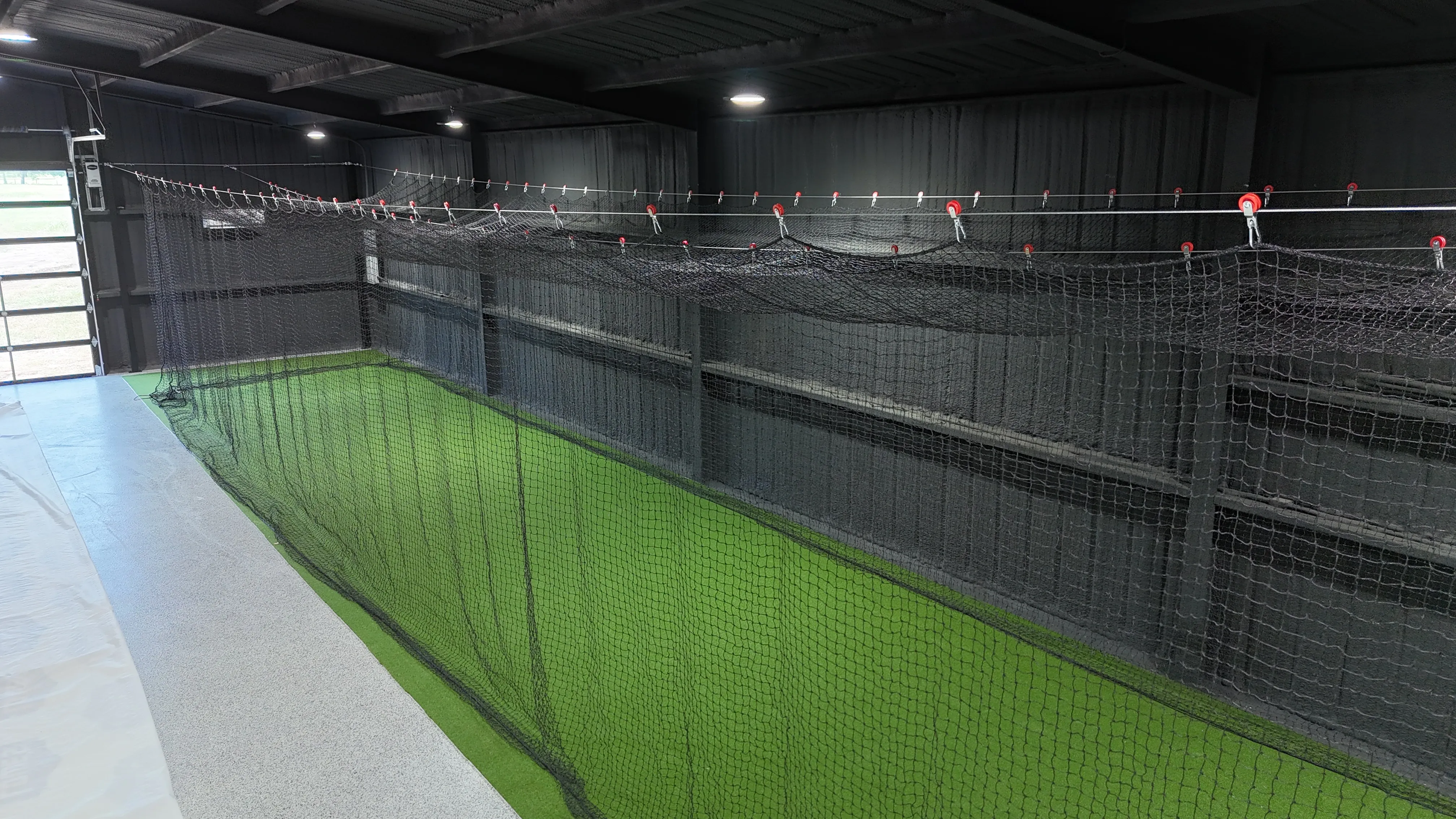
Partition nets & flow.
Partition nets are non-negotiable for multi-station setups. We use #36 or #42 partition nets on track-mounted carriers so coaches can reconfigure between lessons — one big cage for instruction, partitioned cages for individual hitters. Curtain partitions on retractable rigs are an option for facilities that also host clinics or events.
Pitching machine integration.
Most training facilities run JUGS, ATEC, or Hack Attack machines. The frame anchor pattern, the pad pour for the machine base, and the L-screen / pitcher-side protection screen all need to be coordinated — not bolted on after the cage is up. Bearcat is an authorized Sports Attack dealer, so the Hack Attack, I-Hack, or Elite machines and their feeders can go on the same proposal as the tunnels.
- Pad pours. 4x4 or 4x6 reinforced concrete pad at the machine end, leveled to manufacturer spec.
- Cable runs. Conduit for power and data run through frame uprights so cords aren't snaking across the hitting floor.
- L-screen / Big League screen integration with the back-end frame so the screen is always parked in the right spot.
Stand-alone vs. suspended frames.
Two architectures, picked based on your space:
- Stand-alone — frame stands on its own, anchored to the floor. Best for purpose-built training facilities where ceilings are open trusses or a permanent rig is fine. Cleaner lines, easier to reconfigure, lower install cost.
- Suspended — cage hangs from existing structural steel or rafters. Best for warehouse conversions where you don't want to lose floor footprint to frame uprights, or for buildings where wall-to-wall floor anchoring isn't an option. We rig from existing structure with engineered tie points.
Warehouse retrofits.
Most warehouse cage conversions are done on existing concrete. We assess the slab condition before any anchor pattern is finalized — older industrial slabs sometimes have surface deterioration that needs grinding or re-pouring before anchors hold long-term. If the floor needs work, that's a quoted line item; if it's solid, we drill, anchor, and move on.
Hitting surface inside a warehouse is usually one of three options: leave the existing concrete (with hitting mat tiles only at the plate area), pour a smaller hitting-zone slab over the existing concrete, or lay turf-over-pad on top of the existing slab. We'll spec what fits your use intensity and budget.
Lighting & HVAC awareness.
Indoor facility cages live or die by lighting. We coordinate fixture layout so every hitter sees the ball the same way regardless of which station they're in. LED high-bay at 75-100 foot-candles at hitter height is the working spec. HVAC return locations matter too — if a return vent is sucking dust off the hitting turf into the lobby, you've got a maintenance problem you didn't ask for.
Whole facility already a metal building?
If you're converting an existing barn or metal building rather than building a purpose-built facility, see our dedicated barn & metal building build-out →, where you can reserve online with a deposit and get on the schedule without waiting on a quote call. Converting the same building into something other than a cage — a turf field, cricket net, or multi-court floor? See warehouse-to-sports-facility conversions →
Sports Attack authorized dealer
Machines, feeders, and TranzHit on the same build.
Bearcat is an authorized Sports Attack dealer. Machines, feeders, and TranzHit stations go on the same proposal as the tunnels, turf, and netting, so the facility opens with every lane ready to run.
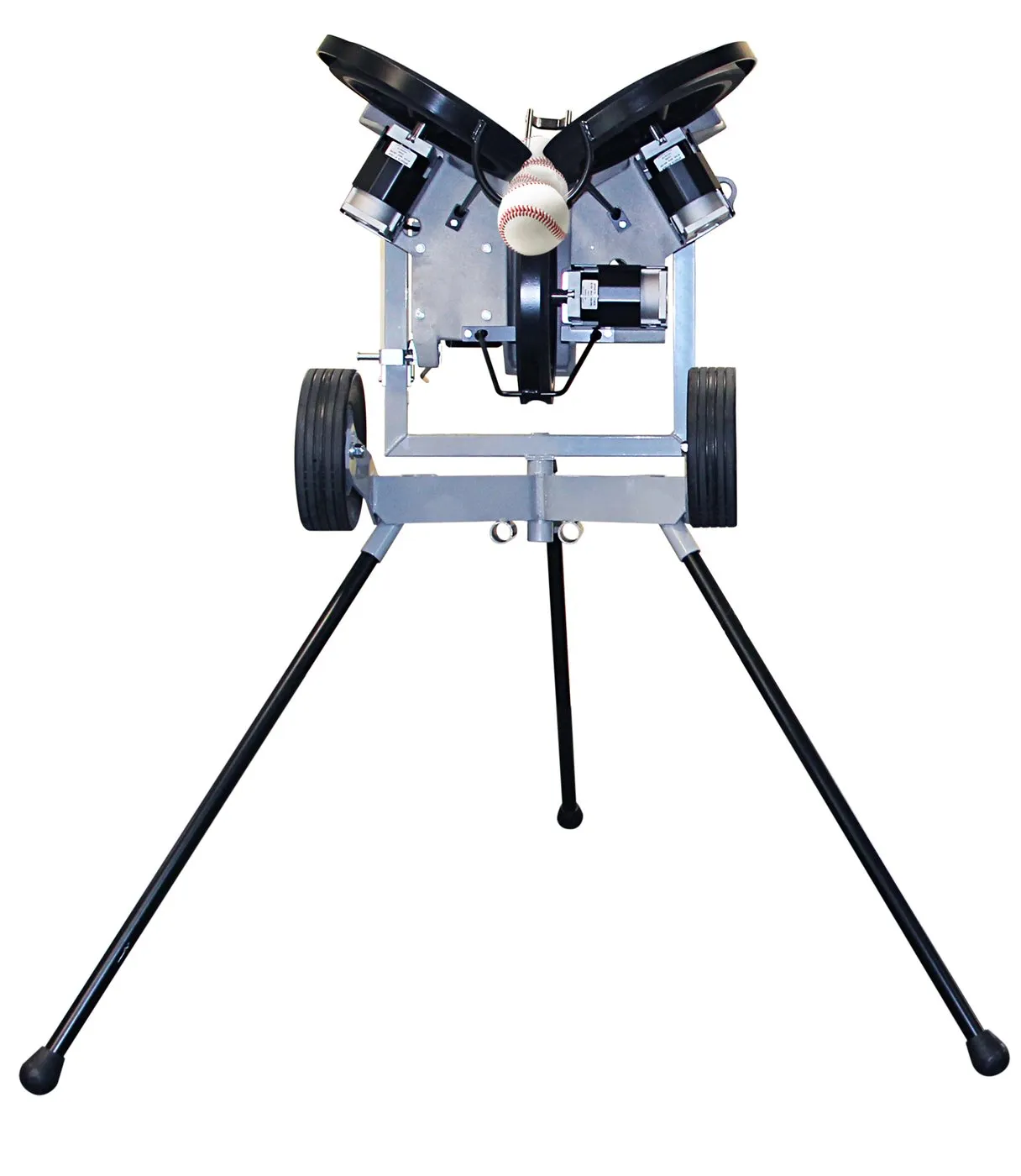
100+ MPH baseball / 80+ MPH softball
Hack Attack
The three-wheel machine high school, college, and pro programs use.
From $3,599 MSRP + $400 freight
See specs & pricing →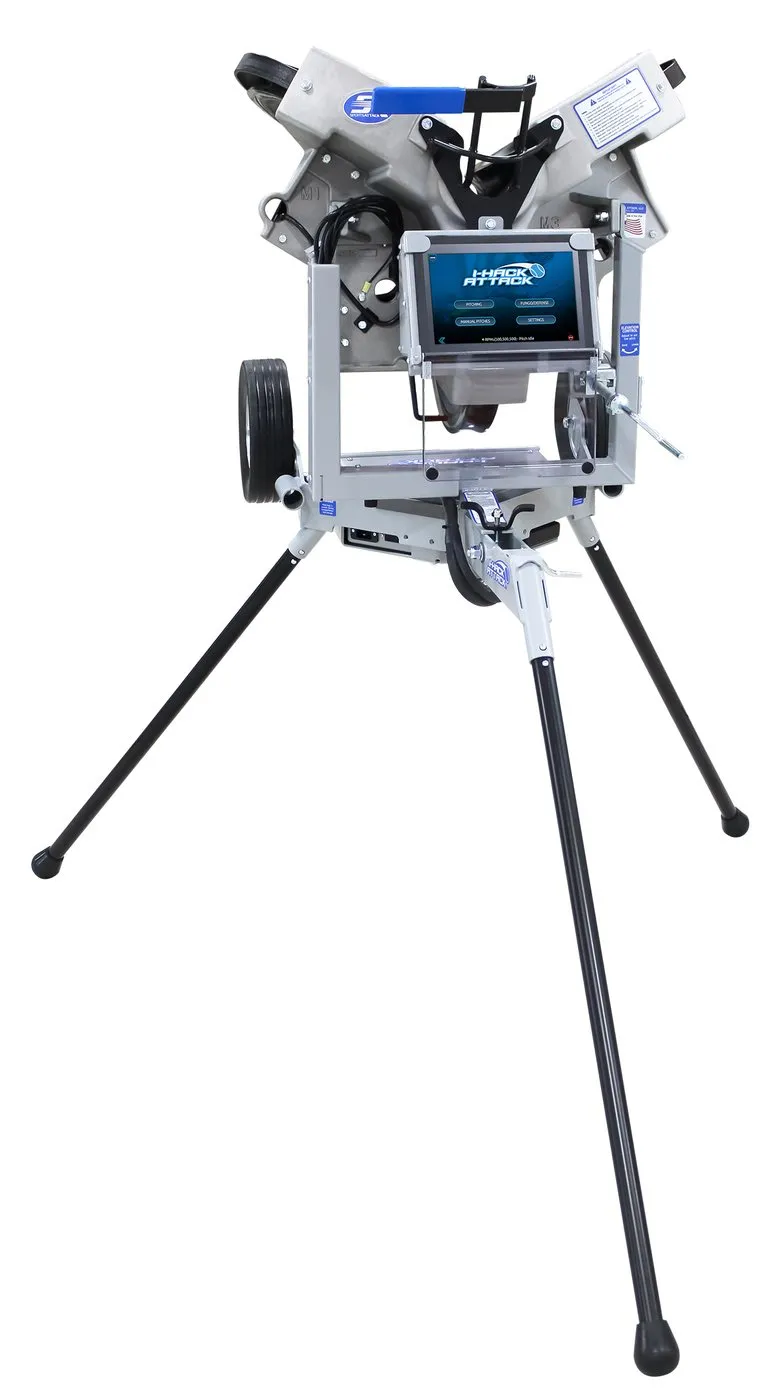
100+ MPH, touchscreen
I-Hack Attack
Touchscreen control on the Hack Attack platform.
From $5,999 MSRP + $400 freight
See specs & pricing →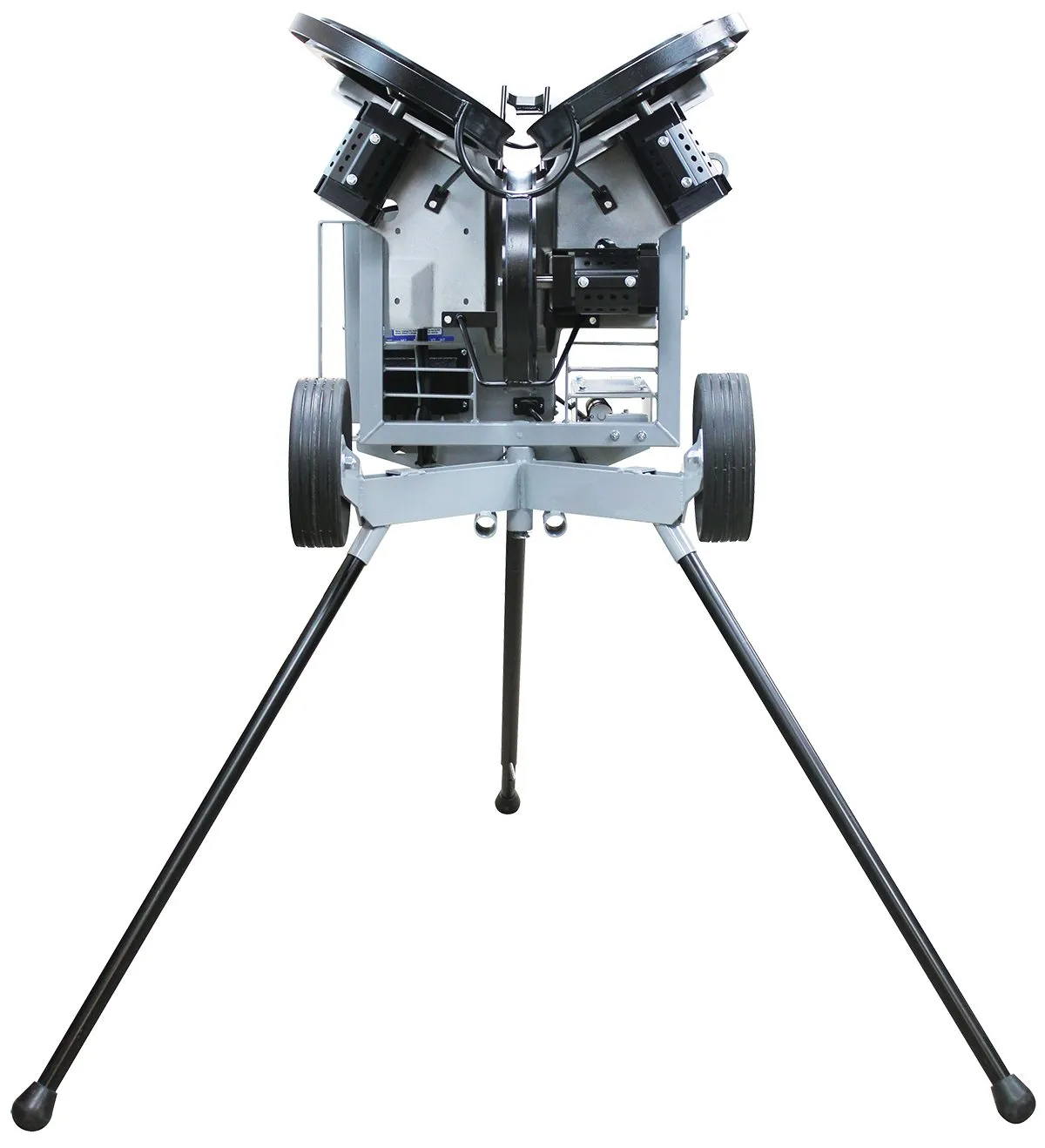
100+ MPH, fully programmable
Elite eHack Attack
Fully programmable. Any pitch, any speed, any spin, any location.
From $14,999 MSRP + $900 freight
See specs & pricing →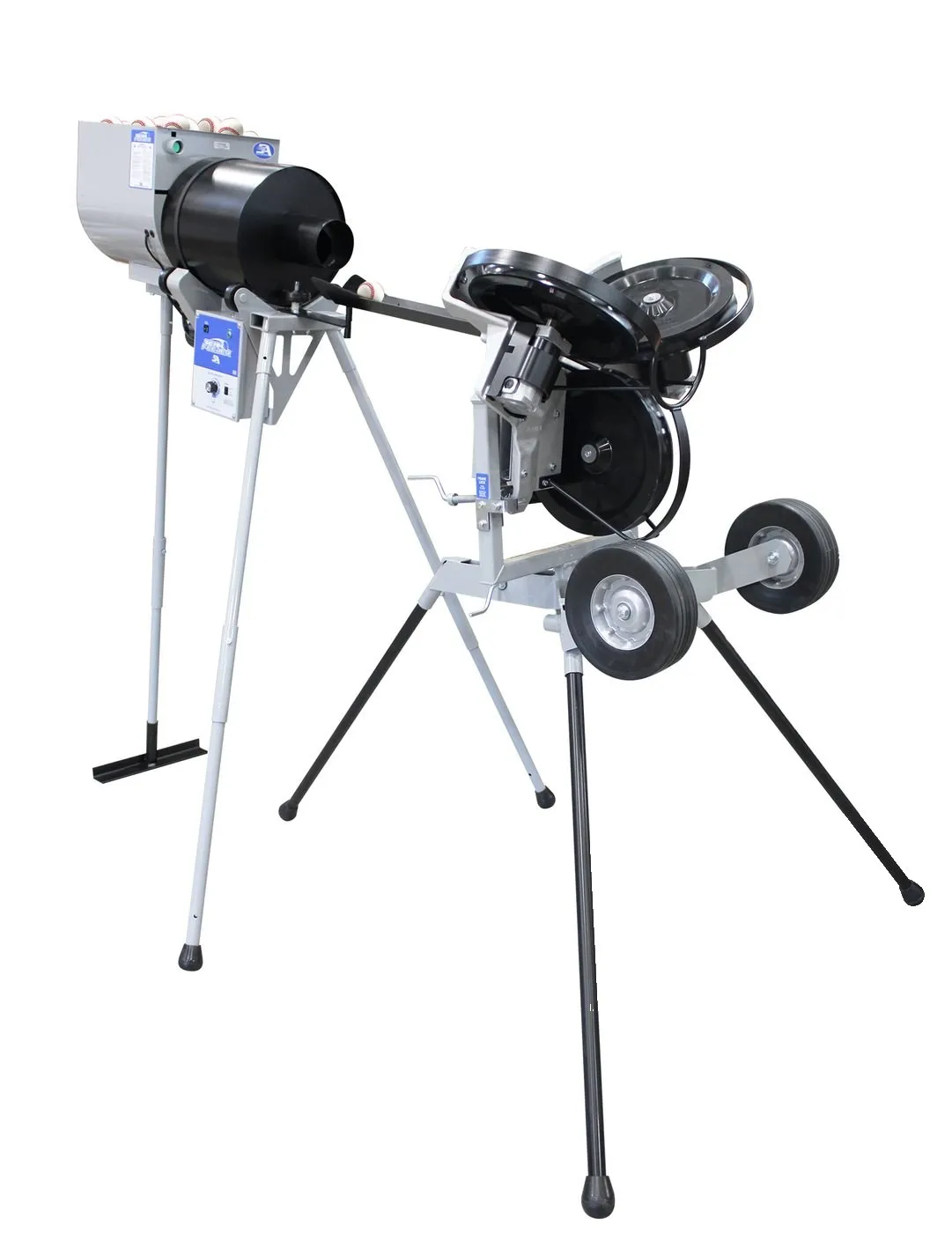
Up to 150 balls, hands-free
Feeders & TranzHit
Hands-free reps and a portable hitting station.
From $599 MSRP + freight (quoted)
See specs & pricing →Price is MSRP. Machines ship direct from Sports Attack to your door; freight is listed with each machine from the Sports Attack 2026 rate sheet (continental US). Items without a listed rate are quoted. Warranty through Sports Attack. See every Sports Attack machine.
Statewide reach
Batting cages & indoor facilities, built across Texas.
We're Aledo-based, in the Fort Worth / DFW area, and that's where most backyard cage installs happen. For school and ISD programs, training facilities, metal-building and barn conversions, and larger commercial builds, we travel across Texas — including:
North Texas / DFW (home base)
Fort Worth, Dallas, Aledo, Weatherford, Denton, Plano, Frisco, Prosper, McKinney, Allen
West Texas
Abilene, Wichita Falls, Midland, Odessa, Lubbock, Amarillo, El Paso
Central Texas
Waco, Temple, Austin, San Antonio
East Texas
Tyler, Longview, Athens, Nacogdoches, Texarkana
Houston & Gulf Coast
Houston, The Woodlands, Katy, Beaumont
Oklahoma: Oklahoma City metro
Oklahoma City, Norman, Edmond, Moore, Yukon, Mustang
Oklahoma: Tulsa metro
Tulsa, Broken Arrow, Owasso, Jenks, Bixby
Oklahoma: Southern & western Oklahoma
Lawton, Ardmore, Durant, Duncan, Altus
Oklahoma: Northern & eastern Oklahoma
Stillwater, Enid, Muskogee, Bartlesville, McAlester
Don’t see your city? Ask anyway — tell us where the build is and we’ll scope it during the consult.