Softball field cost guide · 2026
How much does it cost to build a softball field?
Between $35,000 for a basic recreational field and $900,000 or more for a tournament-grade turf field with lights. The tiers below show where the money goes. We build softball infields, full conversions, and backyard training surfaces across Texas, and fields and facilities in Oklahoma, Louisiana, Arkansas, Kansas, New Mexico, Nebraska & Georgia.
Softball field cost by tier.
Softball's 60 ft bases and 200 to 220 ft fences mean less square footage than a baseball field, so a comparable build usually costs a little less. The surface is the swing item: skinned infield with sod, a turf infield with grass outfield, or full turf.
| Tier | What you get | Who builds it | Typical cost |
|---|---|---|---|
| Recreational | Skinned infield, sod outfield, basic backstop and fencing, no lights | Parks, churches, rec leagues | $35,000 to $80,000 |
| Turf infield retrofit | Turf the skinned area and infield on an existing field; basepaths, backstop, and dugouts stay | Schools, travel orgs with a field already | $120,000 to $300,000 |
| Travel ball or school | Dugouts, partial turf, engineered drainage, full fencing, bullpens | ISDs, private schools, travel programs | $130,000 to $350,000 |
| Tournament turf field | Full artificial turf, lights, dugouts, scoreboard, engineered drainage, spectator areas | Districts, complexes, municipalities | $400,000 to $900,000+ |
Ranges are planning numbers for a single field, before land, parking, and utilities. Lighting alone runs $120,000 to $250,000 on a tournament field. For a line-item breakdown of each tier, see the baseball field cost guide; the same tiers apply with softball dimensions. For the infield-only number, see what it costs to turf an infield.
Programs, Schools & Parks
Thinking about a field conversion? Run the 10-year ROI for your facility.
Portfolio-based. Takes 60 seconds. Build your field list and see payback, annual benefit, and total return.
Same install playbook. Softball dimensions.
Softball and baseball ask the same questions of a field: will it drain after a storm, will the hops stay true over a season, will the skinned areas hold up under constant play. The answers are the same. What changes are the dimensions.
- Tighter infield. 60-foot bases, shorter pitching distance, and a smaller arc means less square footage but every inch of it gets more traffic.
- Faster tempo. Higher contact rate, more ground balls, more infield action per inning. The surface has to absorb it and stay true.
- Fastpitch or slowpitch. We tune the mound, circle, and batter's box area to the game your program plays.
- Drop-down lines. For facilities that share a footprint with baseball, we handle inlaid dimension lines so both games work on one surface.
What we build for softball.
Softball Infields
Skinned-area retrofits or full infield conversions built for softball dimensions. No rainouts. Consistent hops. A surface that holds up through a full travel-ball season.
Learn more →
Full Field Conversions
End-to-end conversions for leagues, schools, and parks. A turf softball field plays in January, February, and after a storm — which turns rentals, tournaments, and clinics into real revenue.
Learn more →
Backyard Training Areas
Hitting stations, pitching circles, and fielding zones for travel softball families. The reps happen when the surface is in your own backyard.
Learn more →
Batting Cages
Backyard cages that handle live fastpitch and slowpitch reps. Durable hitting turf, heavy-duty netting, and proper drainage.
Learn more →
The install pages above share detail with our baseball cluster. The work is the same. We tune the dimensions, striping, and circle specs to softball during the walkthrough.
Who we work with.
- Travel softball organizations needing a home field that plays every weekend.
- School softball programs looking to cut maintenance and add year-round practice capacity.
- Parks departments managing multi-sport facilities with softball among them.
- Softball families building backyard training surfaces for daily reps.
Run the numbers
Infield Turf ROI Calculator →
Works for softball the same way it does for baseball. Tune the inputs for your program and see the payback period.
What a softball field costs
How much does it cost to build a softball field? +
It depends on scope and finish. A basic recreational softball field with a skinned infield and a sod outfield typically runs $35,000 to $80,000. A travel-ball or school-grade field with dugouts, partial turf, and proper drainage runs $130,000 to $350,000. A tournament-grade field with full artificial turf, lights, dugouts, and engineered drainage runs $400,000 to $900,000+. Softball's tighter 60-foot dimensions mean less square footage than baseball, so comparable builds usually cost a little less.
How much does it cost to turf a softball infield? +
A softball infield turf conversion, where the basepaths, backstop, and dugouts are usually already in place, typically runs $120,000 to $300,000 for the surface alone: full skinned-area and infield turf, sub-base build, drainage upgrades where needed, and mound, circle, and plate detailing. It is almost always cheaper than a from-scratch field.
Is a turf softball field cheaper than natural grass over time? +
Up front, natural grass is cheaper. Over a 10-year window, turf usually wins once mowing, irrigation, fertilizer, dragging, reseeding, and rained-out cancellations are factored in. For a program running a real practice and tournament schedule, the math typically crosses over in years 4 to 6, and turf adds January-through-storm playability that turns into rental and tournament revenue.
How long does a softball field conversion take? +
A straightforward skinned-infield or sod field runs 4 to 6 weeks once permits clear. A full conversion with turf, dugouts, and a real drainage build runs 8 to 16 weeks. A tournament-grade build with full turf, lights, and scoreboard can take 16 to 28 weeks, usually paced by the lighting and electrical schedule rather than the field surface.
Every field is different. These ranges are starting points. Request a walkthrough for a real number tuned to your site, or run the ROI calculator.
Where we build
Building outside Texas?
Softball and baseball share the field-build playbook and the state pages. Soil, frost depth, wind, and procurement change by state, and travel is built into one fixed price. Here is the one thing that changes in each state we build in. Softball seasons differ too: in several of these states fast-pitch softball runs in the fall.
Oklahoma
Oklahoma red clay is a different animal from the Texas Blackland.
What travels: A school or facility cage program, an infield conversion, or any field or indoor build. A single backyard cage does not cover the drive.
Oklahoma projects →
Louisiana
Louisiana is a drainage problem first and a surface problem second.
What travels: An infield conversion, a field build, or an indoor facility. Cage-only work does not travel here.
Louisiana projects →
Arkansas
Arkansas has two soil stories.
What travels: An infield conversion, a field build, or an indoor facility. Cage-only work does not travel here.
Arkansas projects →
Kansas
Kansas is a freeze-thaw state.
What travels: A multi-field program or an indoor facility. Single infields and cage-only work do not travel here.
Kansas projects →
New Mexico
New Mexico changes the spec in two ways that most national turf guides skip.
What travels: A multi-field program, a full field build, or an indoor facility. Single infields and cage-only work do not travel here.
New Mexico projects →
Nebraska
Nebraska is the deepest frost line on this list.
What travels: An indoor baseball or multi-sport facility, or a multi-field program. Single infields and cage-only work do not travel here.
Nebraska projects →
Georgia
Georgia red clay is Piedmont clay, weathered from granite, and it behaves a lot like the Blackland Prairie we build on at home: it holds water, it compacts hard when dry, and it needs stabilization or replacement in the top lift before it will carry a field.
What travels: A multi-field complex (four fields or more) or an indoor baseball or multi-sport facility. Nothing smaller travels this far.
Georgia projects →
Outside DFW we start with a video consult so nobody drives out before the budget makes sense. All markets and what travels to each →
Sports Attack authorized dealer
Softball pitching machines.
Bearcat is an authorized Sports Attack dealer. Every Hack Attack machine comes in a softball model with risers, drops, and screwballs, at MSRP.
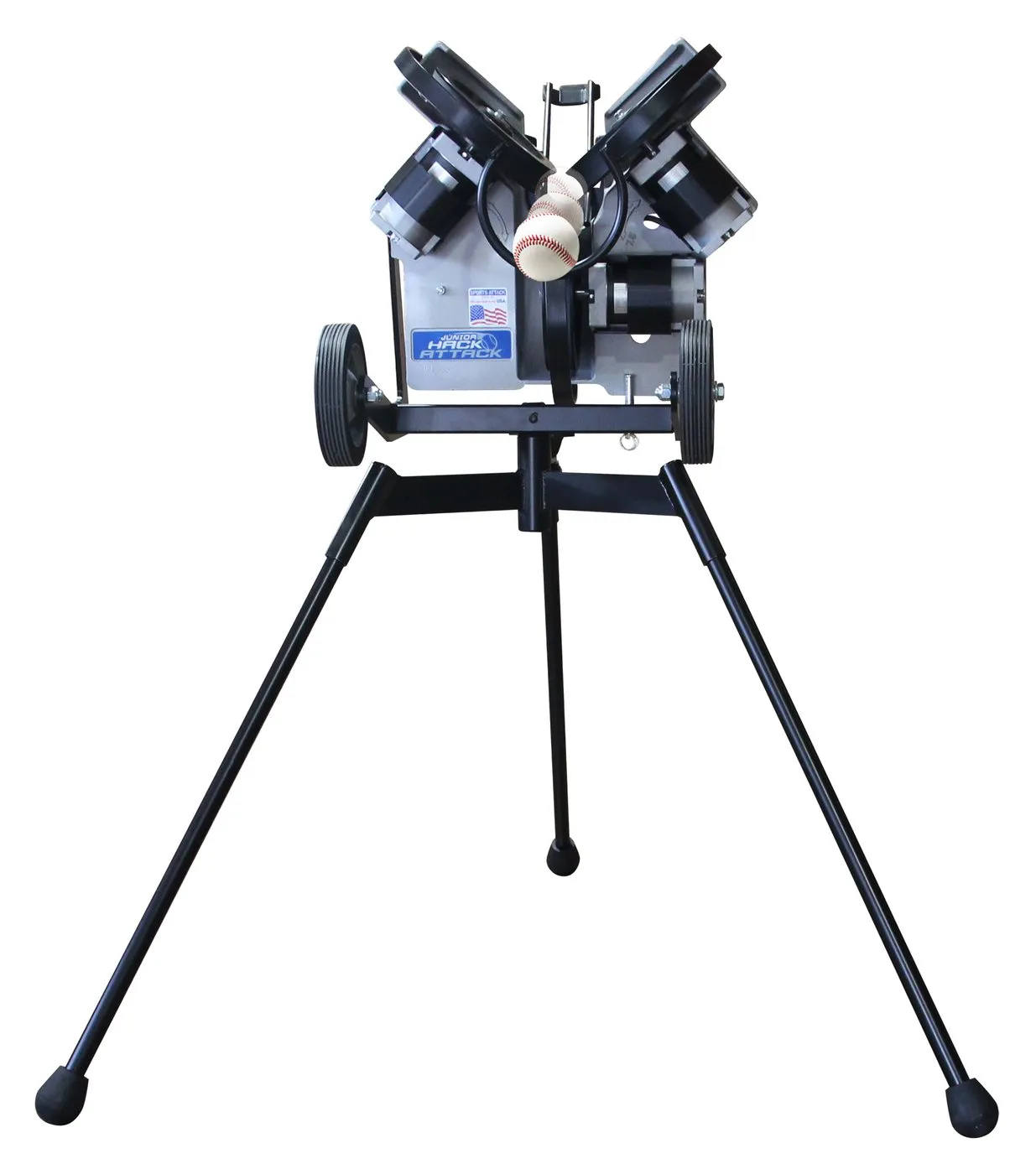
70+ MPH baseball / 60+ MPH softball
Junior Hack Attack
The youth and backyard three-wheel machine.
From $2,699 MSRP + $270 freight
See specs & pricing →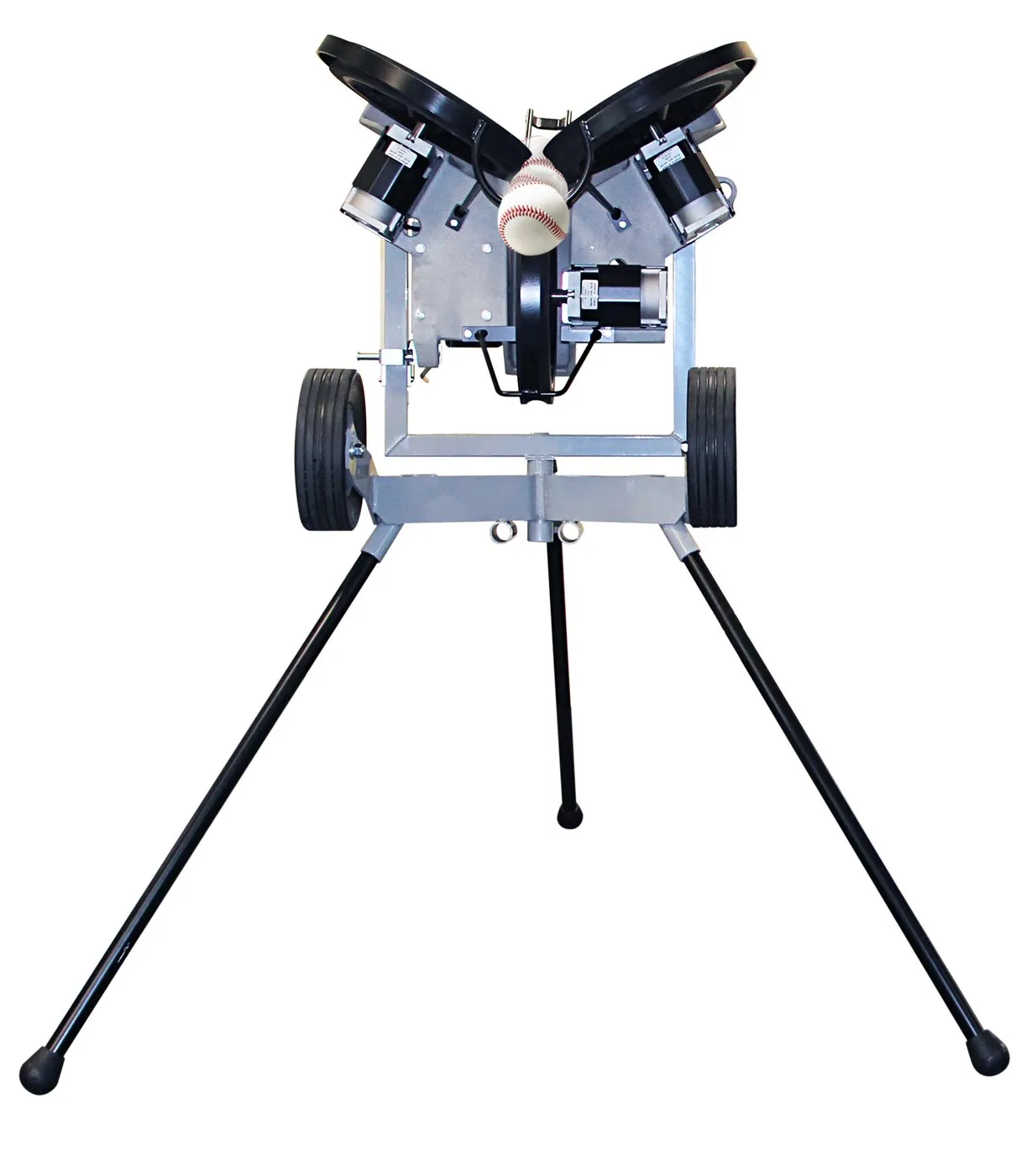
100+ MPH baseball / 80+ MPH softball
Hack Attack
The three-wheel machine high school, college, and pro programs use.
From $3,599 MSRP + $400 freight
See specs & pricing →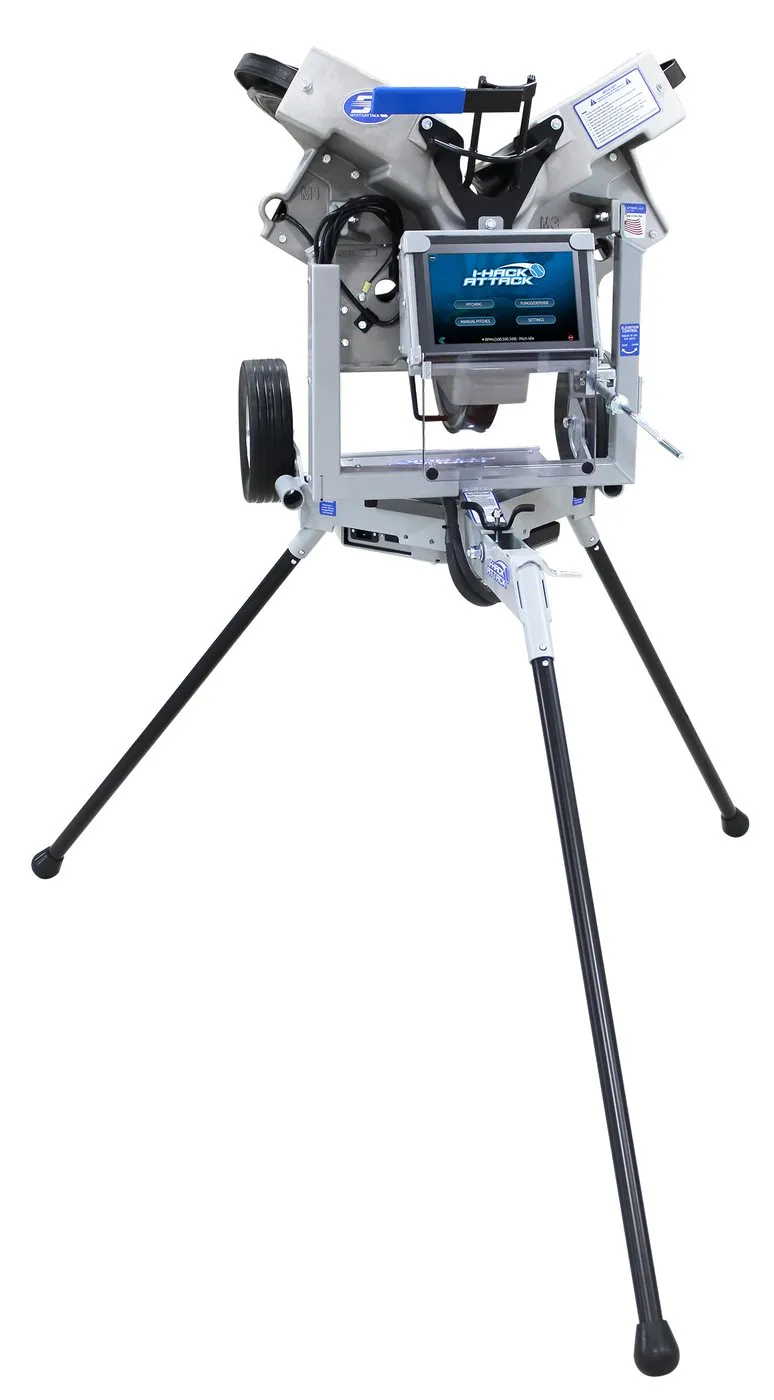
100+ MPH, touchscreen
I-Hack Attack
Touchscreen control on the Hack Attack platform.
From $5,999 MSRP + $400 freight
See specs & pricing →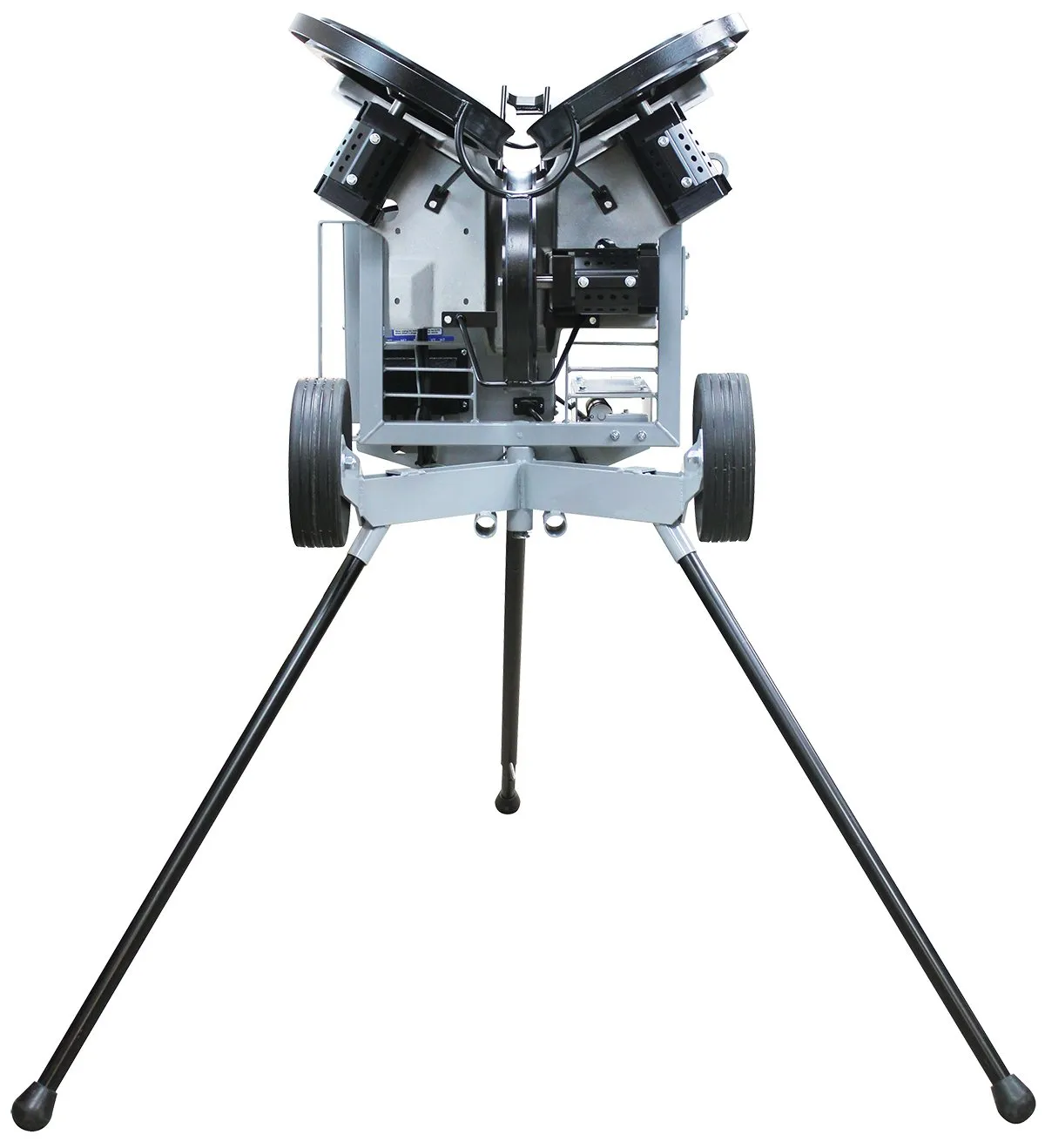
100+ MPH, fully programmable
Elite eHack Attack
Fully programmable. Any pitch, any speed, any spin, any location.
From $14,999 MSRP + $900 freight
See specs & pricing →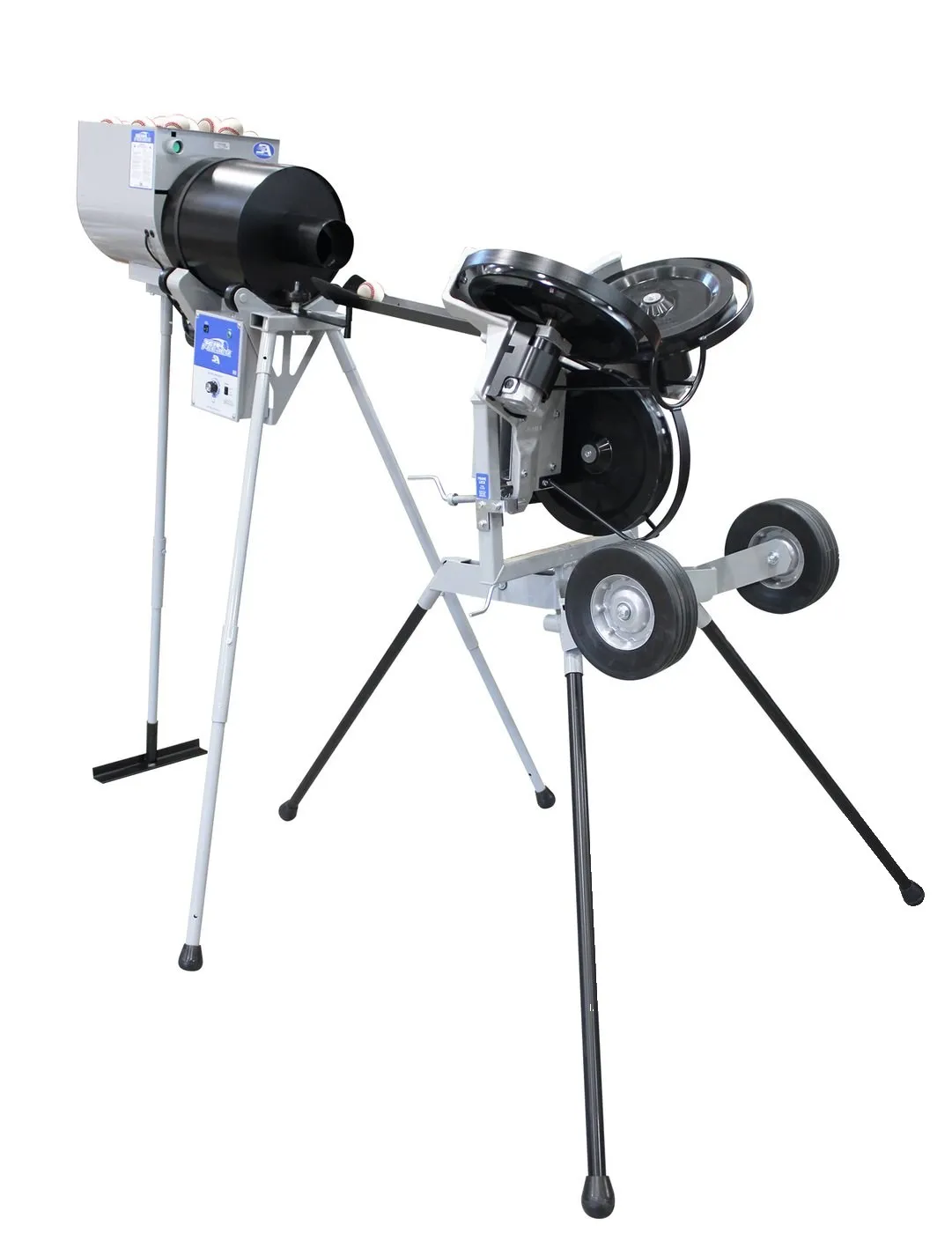
Up to 150 balls, hands-free
Feeders & TranzHit
Hands-free reps and a portable hitting station.
From $599 MSRP + freight (quoted)
See specs & pricing →Price is MSRP. Machines ship direct from Sports Attack to your door; freight is listed with each machine from the Sports Attack 2026 rate sheet (continental US). Items without a listed rate are quoted. Warranty through Sports Attack. See every Sports Attack machine.